CreARTivity
Magazine
He Could Have Made Hits. G François Chose a Revolution Instead.
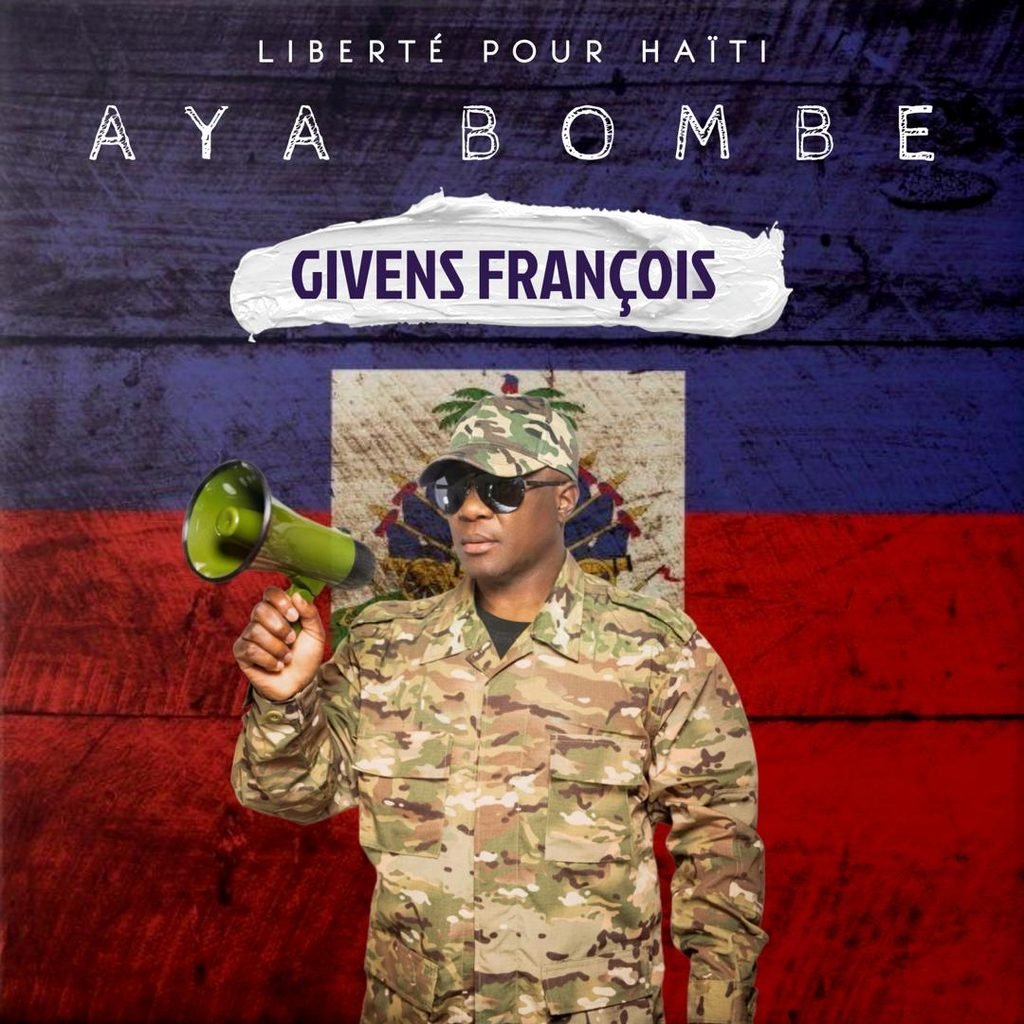
With his new single "Ayabombe," out June 27, 2026, the saxophonist makes his most deliberate move yet: pulling Haiti's traditional and Vodou rooted music out of the shadows and into the light.

In this article
There is a version of this story that would have been much simpler. A gifted saxophonist with an ear for what moves a crowd, a proven instinct for fusion, a hit that already filled dance floors. The straightforward route was right there, and G François knew it. “I could do Hip Hop alone,” he says, “but I have chosen to devote myself to this.”
“This” is harder, riskier, and far more interesting. It is the work of taking the music many Haitians have been taught to fear, the traditional songs, the Vodou rooted rhythms, and reintroducing them on his own terms. Not as folklore behind glass. As something alive, modern, and worth dancing to.
The choice behind the music
For G François, the decision is the whole point. “I am making a revolution with traditional Haitian music,” he explains. “Modernizing traditional Haitian songs to demystify the fear of Vodou rooted songs, giving a new face to Haitian culture, that is the mission I have set for myself through my music.”
It is a quietly radical position. Across generations, parts of Haiti’s own heritage have been wrapped in suspicion, treated as something to keep at a distance. To build a career on rehabilitating that very material is to accept a degree of difficulty most artists would rather avoid. He has chosen it on purpose, and that choice is what gives his music its weight.
A talent that earned the room
None of this comes from an outsider to the craft. Born in Gros Morne and drawn to the United States in his early twenties, François built his name one record at a time. His 2015 debut “Off We Go” offered eleven tracks of polished smooth jazz. By 2021, “Born Again” showed an artist reaching further, eleven tracks of fusion anchored by “Haitian Girl” featuring Kwest, a song embraced as warmly by international listeners as by the Haitian diaspora.
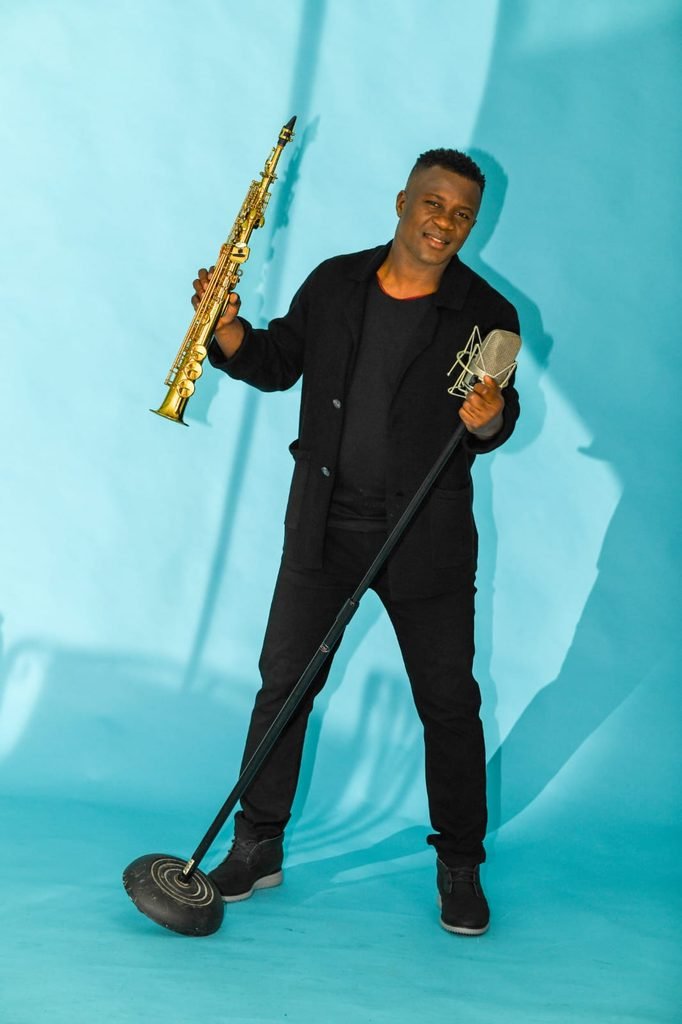
That credibility is why the new chapter lands with such force. In early 2026 he signed with a new label and, at his fans’ request, stepped forward under a new stage name: G François, pronounced “Dji.” ACE Magazine placed him on its cover, a distinction he is said to be the first Haitian artist to hold. He arrives at this moment not as a newcomer asking for attention, but as an artist who has already earned the room he is now using to make a statement.
What “Ayabombe” carries
The title of the single is no accident. “Ayabombe” reaches back to ancestral memory and the island’s long history of resistance, that refusal to be erased. It is the perfect vessel for what François is attempting, because his project is itself an act of refusal: refusing to let fear define a heritage, refusing to let tradition be dismissed, refusing the easier version of his own career.
When “Ayabombe” was announced for June 27, 2026, it was meant to test a simple but ambitious idea: that the music a culture has been afraid of can become the music it is proud of. If anyone is positioned to make that case, it is the artist who looked at the easy path, understood exactly what it offered, and decided his work was somewhere else.
Corrected on 2 October 2026. An earlier version of this article said he would appear at the 2026 BET Awards. He did not take part, for personal reasons. The article now also says that “Ayabombe” was announced for 27 June 2026, and G François has confirmed that he has an upcoming album.
Sources consulted
Confirmed directly with G. Francois by the CreARTivity Magazine editorial team, October 2026.
Author

About the author
Marie Juliane DAVID
Marie Juliane David is a multilingual journalist, poet and novelist, and the founder and Director of Publications of <em>CreARTivity Magazine</em>, which she launched in January 2026 and publishes daily in English, French, Spanish and Haitian. To learn more about her and her work, visit her <a href="https://mariejulianedavid.com/" target="_blank" rel="noopener">portfolio</a>.
Leave a comment
Your email will not be published. Comments are moderated before they appear.